Fes
The largest living medieval medina on Earth — a working city of tanners, weavers and imams, not a museum.
Fes el-Bali is the medina every other medina in Morocco is compared to — nine thousand alleys, no cars, and a rhythm of life that has barely changed in centuries. You can smell the tanneries before you see them, hear the call to prayer answered from a dozen minarets at once, and get pleasantly, safely lost within the first ten minutes.
I always bring a local guide for the medina itself — not because it's unsafe, but because it's genuinely unmappable, and half the best doorways have no sign at all. Two nights lets you see the tanneries, the medersas and the souks without rushing, and still leave time to just sit somewhere with mint tea.
Cook a real tagine
A hands-on class in a family riad, from the spice souk to the shared table.
The Chouara tannery
Stone vats of dye going back to the 11th century — take the sprig of mint they hand you at the door.
Al-Attarine Medersa
Zellige tilework and carved cedar in one of the finest Marinid buildings left standing.
Getting lost on purpose
The real way to see Fes — no map, no schedule, just alleys and whatever you find.
Mild, clear, and green in the gardens before the summer heat arrives.
The same balance as spring, with a softer autumn light over the medina roofs.
Hot in the afternoons but the medina's covered alleys stay shaded and surprisingly cool.
Cold at night for a Moroccan city — pack a proper layer if you visit in winter.
Fes on the imperial cities road
Fes sits at the northern end of the imperial-cities route, an easy add-on to Meknes and Volubilis, or the start of a road east toward the Middle Atlas and the Ziz valley all the way to the dunes.
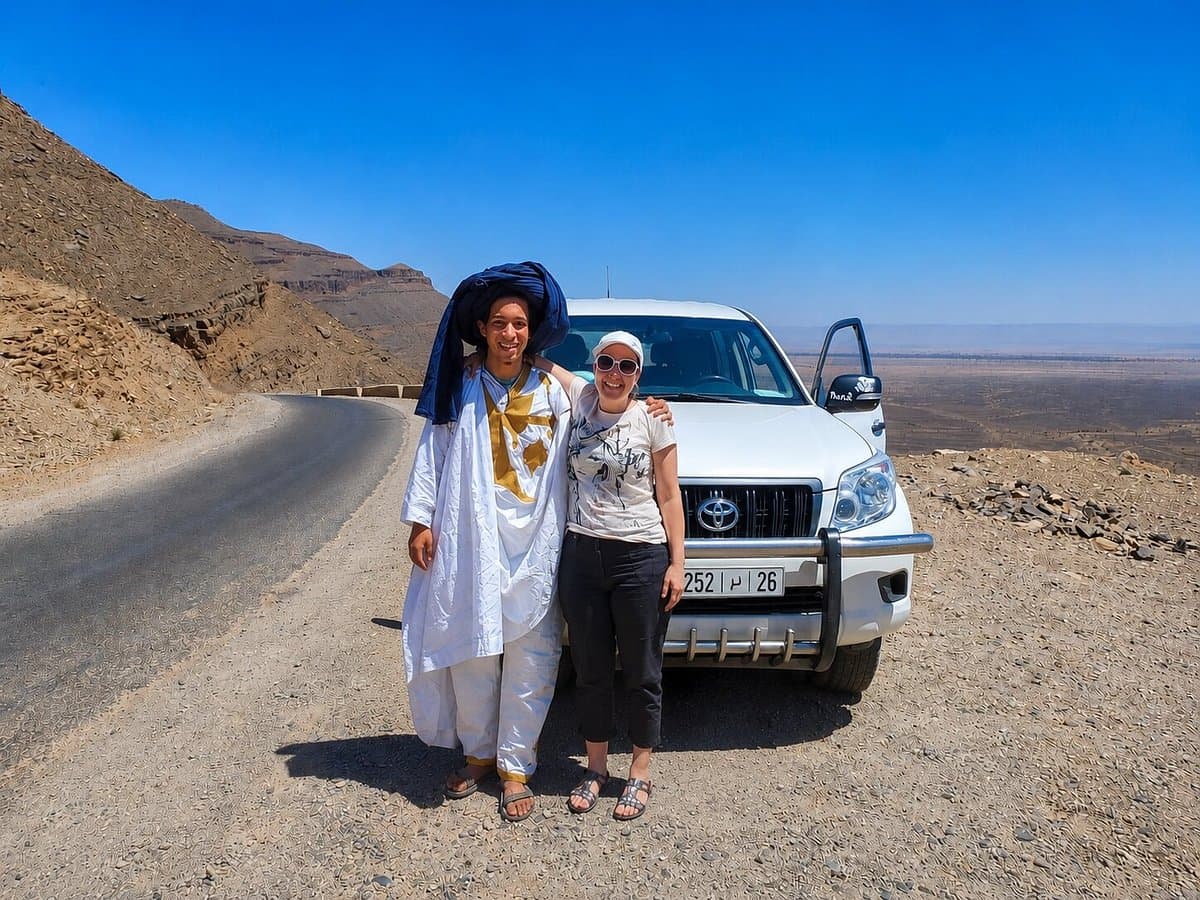
Mustapha routes most northern itineraries through Fes and works with a trusted local medina guide.
Ready to explore Fes?
Tell Mustapha your dates and he will build Fes into a journey that is yours alone.