Tetouan
A UNESCO-listed medina shaped by generations of Andalusian refugees — intricate craftsmanship, a distinct northern character, and the natural third stop of the Rif loop.
Tetouan carries a different history from most Moroccan cities: rebuilt in the 15th century largely by Muslims and Jews expelled from Andalusia, its medina absorbed Andalusian architecture and craft traditions directly, and later served as the capital of the Spanish protectorate — leaving a genuinely layered old town, recognised as a UNESCO World Heritage Site for exactly that blend. Locally it is often called "the white dove," for the pale walls that climb the foothills of the Rif.
Compared with Fes or Marrakech, Tetouan sees relatively few foreign visitors, and its medina still functions largely as a place where Tetouanis actually shop, work and live rather than a set piece for tourism — the copper and leatherwork souks are genuinely working trades, not a performance. Combined with Chefchaouen's blue lanes and Tangier's strait-side energy, it completes a northern triangle that rewards travellers willing to look past the obvious Instagram stops.
The UNESCO medina
Andalusian-influenced architecture and layout, distinct from the medinas of central and southern Morocco — a genuinely different urban texture.
Craft souks
Working copper, leather and traditional garment workshops — trades practised for local use, not primarily for visitors.
The Ethnographic Museum
Housed in a former palace, its collection covers Tetouan's Andalusian heritage and traditional dress in real depth.
Views toward the Rif
The town climbs into the foothills, giving genuine mountain views from its upper streets and surrounding roads.
Mild spring temperatures well suited to walking the medina and the surrounding hills.
The same comfortable balance as spring, with clear autumn light.
Warm, though generally more comfortable than inland cities at the same time of year.
Cooler and wetter, in keeping with the Rif's winter weather — pack for rain.
How Tetouan fits your journey
Tetouan completes the classic northern triangle with Tangier and Chefchaouen — close enough to both for an easy add-on day, and different enough in character to be worth the detour rather than a drive-through.
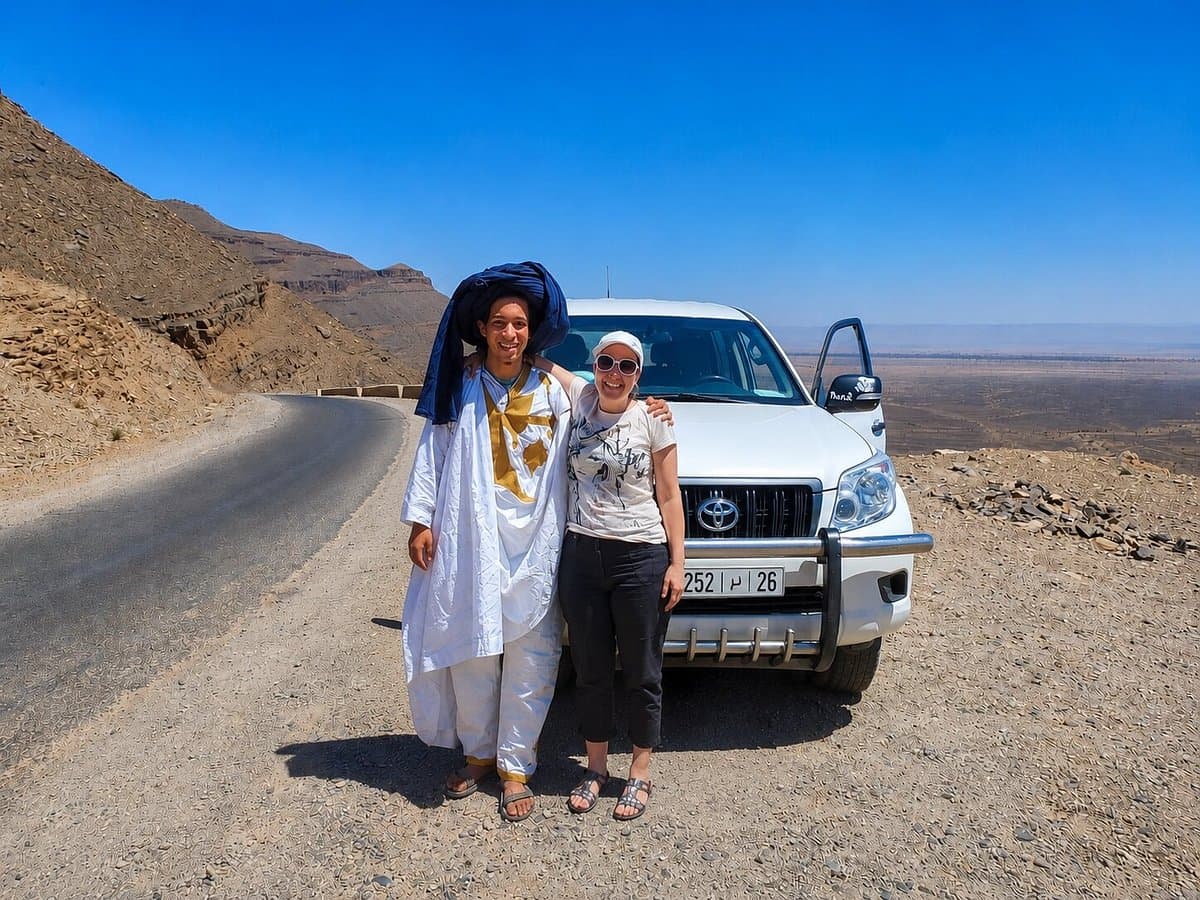
He adds Tetouan to northern routes specifically because so few first-time visitors ask for it.
Ready to explore Tetouan?
Tell Mustapha your dates and he will build Tetouan into a journey that is yours alone.